What Does the Taxi Test Teach Me About Engine Oil Wear?
Motor oils must perform in a wide range of conditions, but some of the most valuable insights come from vehicles that rarely stop running. For decades, Pennzoil has partnered with taxi fleets in New York and Las Vegas to evaluate how motor oils perform under continuous operation, heavy traffic, extreme temperatures, and extended service intervals. These real-world programs help engineers better understand engine wear, oil durability, and long-term performance.
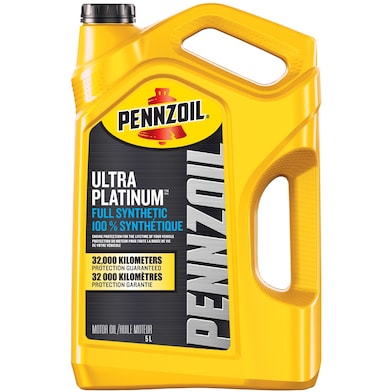
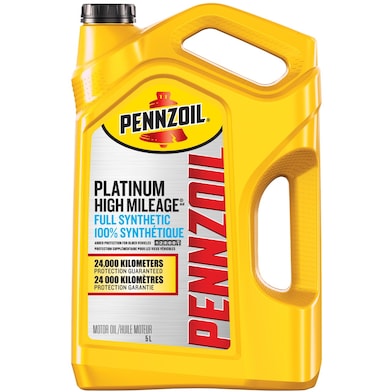
The data gathered from taxi fleets supports the development of products such as Pennzoil Ultra Platinum™ and Pennzoil Platinum® High Mileage, helping validate benefits related to engine protection, cleanliness, and longevity. By studying how oils perform in some of the industry's toughest operating environments, Pennzoil gains insights that help improve protection for everyday drivers.
How do fleet or taxi conditions test motor oil differently from the driving I do?
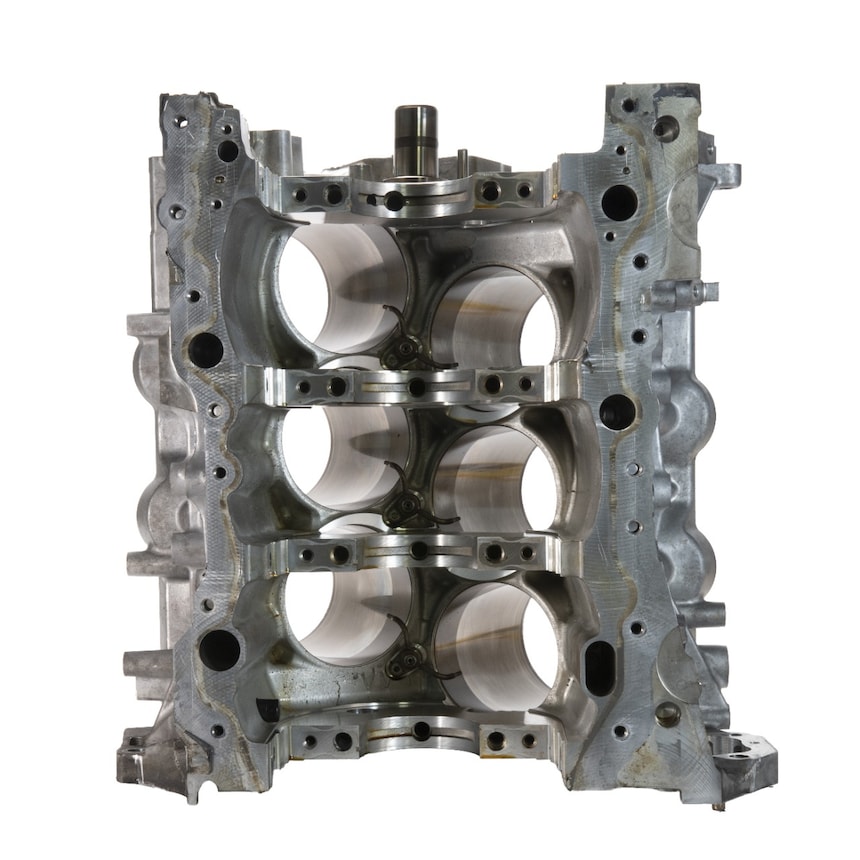
Taxi vehicles experience operating conditions that differ significantly from those of most passenger vehicles. Instead of being driven for a few minutes to several hours each day, taxis often operate around the clock, with multiple drivers sharing the same vehicle.
These vehicles regularly encounter:
- Heavy stop-and-go traffic
- Long periods of idling
- Frequent acceleration and braking
- High engine operating temperatures
- Continuous year-round use
- Extended oil drain intervals during testing
These factors create additional stress on both the engine and the motor oil. In some programs, vehicles accumulate more than 160 000 km in approximately 18 months (equivalent to roughly 12 to 14 years of driving for many consumers).
Expert Insight: Why Taxi Fleets Are a Valuable Motor Oil Test Environment
“Taxi fleets for passenger car motor oils are one of the most challenging environments an engine can face. The combination of long operating hours, stop-and-go traffic, extended idling, and severe temperatures allows Pennzoil to evaluate oil performance under sustained real-world stress.”
- Sean Nguyen, Pennzoil Technical Scientist and Automotive Lubricant Specialist
What do taxi oil test results show about engine wear and oil change intervals?
Throughout the testing process, engineers collect and analyze used oil samples to evaluate how the lubricant performs over time. These analyses can reveal information about wear metals, oxidation, viscosity retention, contamination, and overall oil performance.
One of the most important aspects of taxi testing is the opportunity to evaluate extended drain intervals. By monitoring oil condition over longer service periods, engineers can better understand how well a formulation maintains protection throughout its lifespan.
The resulting data helps support claims related to wear protection, cleanliness, durability, and mileage protection. It also provides valuable information for future product development and performance validation.
Some automakers even incorporate taxi testing into lubricant qualification requirements. One specification requires motor oil to withstand back-to-back Las Vegas summers with 16 000 km oil drain intervals over at least 160 000 km of service, demonstrating the durability expected in severe-duty applications.
Does my car benefit from the same type of oil protection used in taxi/fleet tests?
Many drivers encounter operating conditions that place additional stress on motor oil, even if they do not drive professionally. Rush-hour traffic, short trips, rideshare driving, frequent starts and stops, towing, and extended idling can all increase demands on engine lubrication.
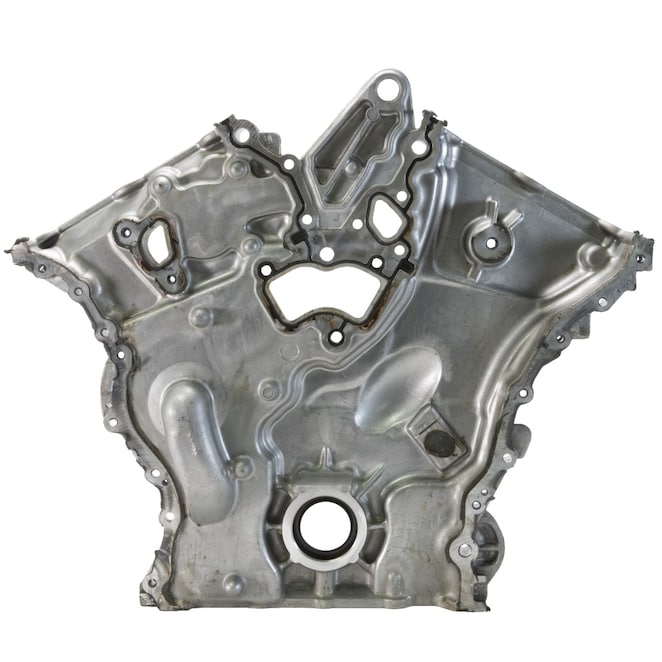
Testing motor oil under severe operating conditions helps ensure it is prepared for a broad range of real-world situations. The same protection that helps oils perform in taxi fleets can help support engine performance in everyday driving environments.
Expert Insight: What Taxi Testing Means for Everyday Drivers
“If Pennzoil can withstand the demands of a taxi fleet, it provides confidence that it can handle the challenges many consumers face during daily driving. That real-world validation is an important part of our development process.”
- Sean Nguyen, Pennzoil Technical Scientist and Automotive Lubricant Specialist
How does taxi testing help Pennzoil formulate motor oil for better engine protection and longevity?
Taxi testing provides engineers with a continuous stream of real-world performance data to refine motor oil formulations. By studying oil condition and engine wear throughout the program, Pennzoil gains insights that are difficult to replicate in shorter-duration testing.
The findings help engineers optimize additive systems, evaluate durability, improve deposit control, and prepare formulations for future engine technologies and industry specifications.
Most importantly, taxi testing supports Pennzoil's focus on engine longevity. Understanding how motor oils perform during extended service and severe operation helps ensure products are designed to provide protection not only when conditions are ideal, but also when engines face their greatest challenges.
For drivers, that means the lessons learned from decades of taxi testing continue to help shape motor oils designed to protect engines for the long haul.