How Does Cold Weather Affect Your Motor Oil?
Cold weather plays a critical role in how motor oil performs, particularly during startup, when engines experience the most stress. As temperatures drop, oil thickens, which can slow circulation and delay proper lubrication to key engine components. Understanding how cold temperatures affect oil viscosity can help drivers make informed decisions that support engine performance and longevity during winter driving.
What type of motor oil should I use in cold weather?
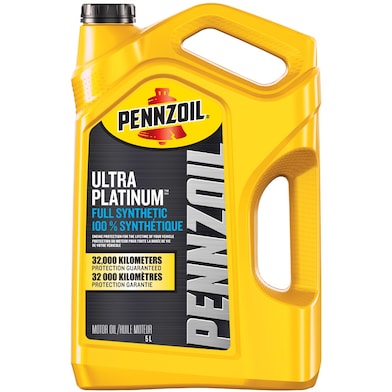
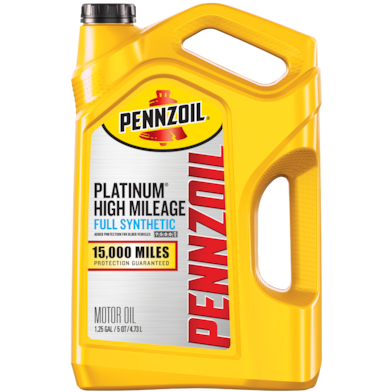
Cold temperatures place added demands on motor oil, making low-temperature flow especially important. Low viscosity motor oils, such as 0W and 5W grades, are engineered to flow more easily in cold conditions while still providing protection once the engine reaches normal operating temperature. Full synthetic oils, like Pennzoil Ultra Platinum™ and Pennzoil Platinum® High Mileage, are particularly effective in winter because they are designed to maintain pumpability at low temperatures, allowing oil to reach critical engine components more quickly during cold starts.
During cold starts, it’s important to choose an oil that protects engine components quickly. In cold weather, motor oil should:
- Flow easily at low temperatures to reduce wear during startup
- Maintain protection across temperature changes, from cold starts to normal operating conditions
Multi-viscosity synthetic oils, such as 0W-20 or 5W-30, are designed for this purpose. They provide quick flow in cold conditions while ensuring stability at higher operating temperatures. By circulating faster, low-viscosity synthetic oils help establish a protective oil film more quickly, thereby reducing friction during the initial engine operation.
How does cold temperature affect oil viscosity and engine wear at startup?
As temperatures drop, oil naturally becomes thicker, which can slow its movement through the engine. This is most critical at startup, when oil has settled, and engine components rely on fresh lubrication.
A significant portion of engine wear occurs during cold starts. Oils that struggle to flow quickly can delay lubrication to critical areas such as the valvetrain and upper engine components, increasing metal-to-metal contact during the first moments after ignition.
In severe cold, higher-viscosity oils, such as 10W-30, may experience reduced flow rates, extending the time it takes for the oil to reach these components. Repeated cold starts under these conditions can contribute to increased wear over time. In vehicles equipped with start-stop systems, the engine turns on and off when the vehicle is at a stop, increasing the possibility of wear and tear due to multiple engine start-ups.
Expert Insight: How Is Cold-Start Performance Measured?
Oil performance in extreme cold is evaluated using standardized industry tests that assess cold cranking behavior and low temperature pumpability. These tests help determine how effectively an oil can circulate during cold starts and deliver lubrication to critical engine components.
Sean Nguyen, Pennzoil Technical Scientist and Automotive Lubricant SpecialistCold starts are when engines need protection the most. Choosing an oil that can flow quickly at low temperatures helps reduce wear and ensures critical components are protected right from startup.

Should I change my oil more often if I live in a cold climate or do many short trips?
Cold climates and frequent short trips can place additional stress on motor oil. When engines don’t fully warm up, moisture and fuel dilution are more likely to build up in the oil, which can reduce performance and oil life over time.
Drivers who primarily take short trips during winter may expose their oil to harsher operating conditions than those who drive longer distances. While modern oils are designed to manage these challenges, driving habits should be considered when following maintenance recommendations. Drivers should always follow manufacturer-recommended oil change intervals and consult their owner’s manual for guidance.
Can I use the same oil year-round, even during harsh winter conditions?
For most modern vehicles, the same oil can be used year-round as long as it meets manufacturer specifications. Advances in oil formulation make it possible for high-quality synthetic oils to perform consistently across a wide range of temperatures.
Many synthetic oils are formulated for year-round performance by:
- Maintaining more stable viscosity across temperature extremes
- Providing reliable protection in both cold and hot operating conditions
Certain synthetic base oils are engineered with a higher viscosity index, meaning they exhibit less change in viscosity as temperatures fluctuate, supporting consistent lubrication throughout the year.
Does synthetic oil offer better cold-weather performance than conventional oil?
Synthetic oil typically offers better cold-weather performance compared to conventional oil. Because synthetic base oils are more uniform at the molecular level, they resist thickening and flow more easily at low temperatures.
Improved cold-flow performance enables synthetic oils to reach critical engine components faster during startup, reducing friction and wear. Synthetic oils also maintain stability longer under extreme conditions, supporting consistent protection throughout winter driving.
Cold weather can challenge engine performance, but the right motor oil helps ensure reliable protection during winter driving. Oils such as Pennzoil Ultra Platinum™ and Pennzoil Platinum® High Mileage are formulated to flow quickly at low temperatures and maintain stability across operating conditions, play an important role in reducing wear, supporting cold starts, and extending engine life during the colder months.