How Do I Know If High Mileage Motor Oil Is Right for My Vehicle?
As vehicles stay on the road longer and many are equipped with turbocharged engines and hybrid power, drivers are asking whether high mileage motor oil can help extend engine life, reduce leaks, and maintain performance past 75,000 miles. The average age of vehicles in the U.S. reached 12.8 years in 2025, according to S&P Global Mobility,1 highlighting the growing importance of long-term engine protection. If you’re preparing for spring maintenance or planning road trips in 2026, understanding when to switch to high-mileage oil can help ensure durability and reliable performance over the long haul.
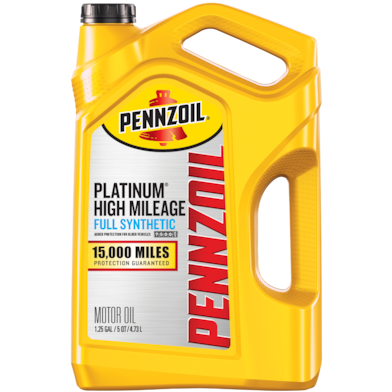
High-mileage motor oils like Pennzoil Platinum® High Mileage Full Synthetic are formulated specifically for engines that have accumulated wear. Below, we answer the top questions drivers are asking.
What is high-mileage oil, and when should I make the change?
High-mileage motor oil is typically recommended for vehicles with 75,000 miles or more. As engines accumulate miles, normal wear can affect seals, piston rings and other internal components. Oil consumption may increase, and deposits can build up, even in well-maintained engines.
Pennzoil Platinum® High Mileage Full Synthetic uses synthetic base oil combined with a tailored additive package, including seal conditioners designed to help maintain seal pliability and reduce oil burn-off, while continuing to protect against wear and sludge.
If your vehicle has surpassed 75,000 miles, or if you notice minor oil consumption between oil changes, switching to high-mileage oil at your next service interval is usually recommended.
Expert Insight: When Does Switching Make the Most Sense?
“Engines naturally experience wear as mileage increases, especially around seals and piston rings. Switching to a high-mileage full synthetic around 75,000 miles helps support seal condition, reduce oil consumption and maintain protection in modern engines.”
- Sean Nguyen, Pennzoil Technical Scientist and Automotive Lubricant Specialist
Does high-mileage oil help reduce engine leaks or oil consumption?
Addressing minor leaks and oil consumption is one of the key benefits of high-mileage oil.
As seals and gaskets age, they can shrink or harden. High-mileage formulations include seal-conditioning agents that help maintain flexibility, which may reduce minor seepage and oil burn-off. It can help maintain a strong protective oil film under everyday and high-stress driving conditions. Reducing oil consumption can also help maintain consistent engine performance over time.
How old does my vehicle need to be to use high-mileage oil?
Mileage matters more than model year. High-mileage oils are generally recommended once a vehicle exceeds 75,000 miles, whether it’s a gasoline-powered, turbocharged or hybrid vehicle. Fleet and rideshare vehicles often reach that threshold more quickly due to heavy use. Be sure to use the viscosity grade recommended by the vehicle manufacturer.
Are high-mileage oils full synthetic, and do they offer better protection?
Many modern high-mileage oils are full synthetic and designed to meet the demands of today’s engines.
Pennzoil Platinum® High Mileage Full Synthetic offers complete protection, is proven to reduce oil burn-off and help stop leaks, and provides excellent performance in extreme heat and cold.
Synthetic base oils maintain more consistent viscosity across temperature extremes than conventional oils, supporting reliable protection in both everyday driving and more demanding conditions.
Can high-mileage oil affect engine longevity?
While no oil can reverse existing wear, a high-mileage formulation helps manage ongoing wear, deposit buildup, and seal aging. Following recommended oil change intervals with a high-quality full synthetic oil supports cleaner operation and consistent protection for the long run.